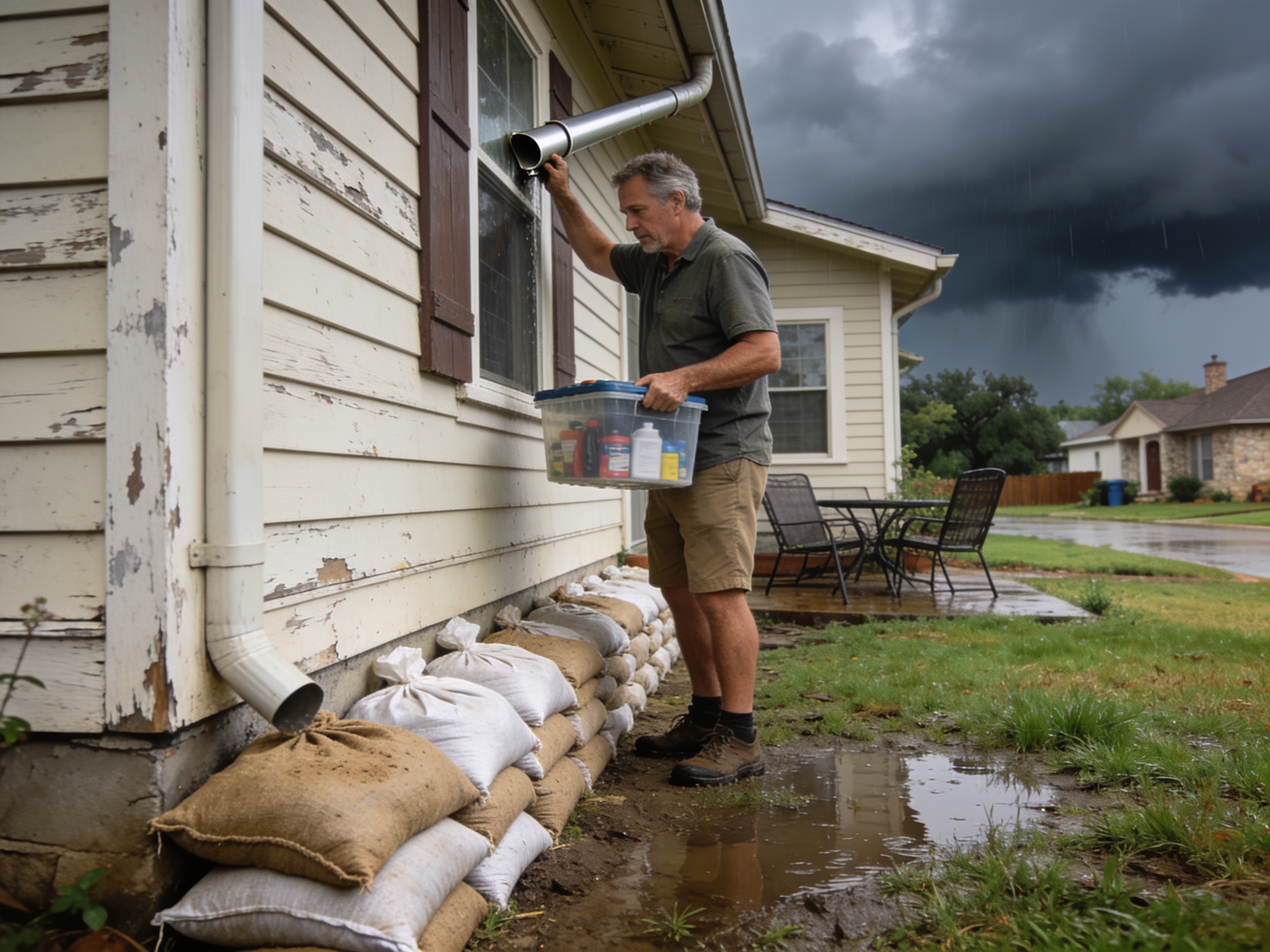
Rollingwood sits on hilly terrain west of central Austin with many mid-century homes on sloped lots that drain toward Barton Creek. Heavy spring rains and humid summers can push water under slabs or into crawlspaces faster than in flatter parts of Travis County. Our crews from 1401 Darold Dr respond directly to these properties via Loop 360 and local streets, setting up extraction and drying before moisture reaches nearby Zilker Park greenbelts.
Older Rollingwood houses often feature original plumbing and flat roofs that leak during the brief but intense winter fronts that still reach Travis County. We map each home’s grade and proximity to the creek so drying equipment targets the exact pockets where humidity lingers longest in the area’s limestone soil.
Because Rollingwood borders Westlake and Barton Hills, traffic on Bee Cave Road can slow arrival times after a storm. We stage equipment at our Del Valle yard and route through side streets to reach addresses off Rollingwood Drive or Redbud Trail the same day.
Around Rollingwood
We regularly work near:
- 📍Rollingwood Park
- 📍Barton Creek Greenbelt
- 📍Zilker Park
- 📍Redbud Trail
- 📍Loop 360
Water Damage Restoration in Rollingwood — Local Notes
- •Sloped lots near Barton Creek mean water often pools against rear foundations; we install perimeter drains before drying begins.
- •Mid-century slab homes in Rollingwood sit on shallow limestone that cracks with repeated wet-dry cycles, letting moisture wick upward into flooring.
- •Humid summers accelerate mold on lath-and-plaster walls common in the neighborhood’s 1950s stock, requiring faster dehumidification than newer builds.
- •Narrow driveways off Rollingwood Drive limit large truck access, so we bring smaller portable units for interior work.