2026-11-06 · Tom Ellison
Preparing For Flash Floods In Austin: A Homeowner's Checklist
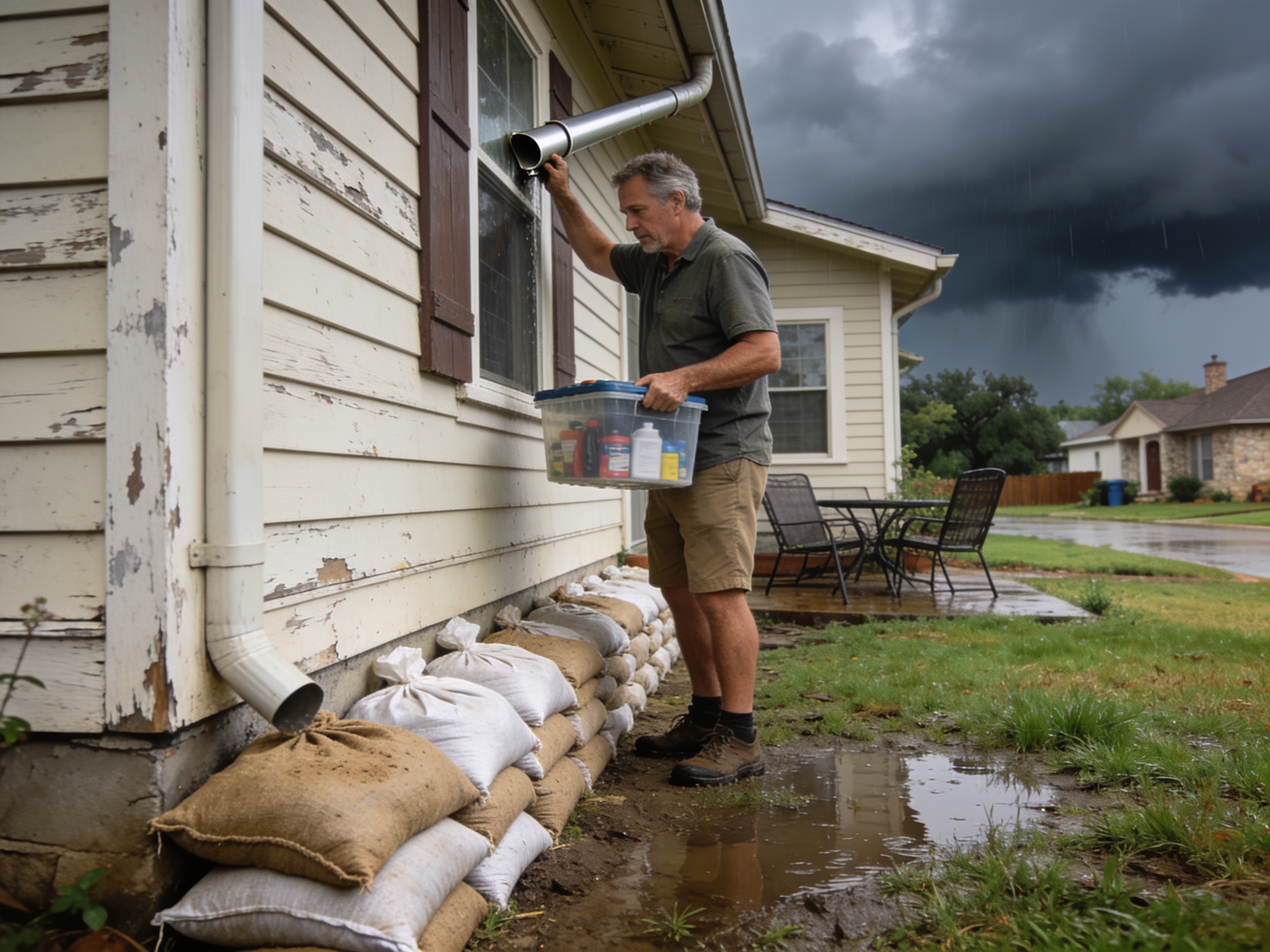
Austin homeowners face flash flood risks every spring and fall when heavy rains overwhelm Barton Creek and Lady Bird Lake drainage. Start by mapping your property's elevation relative to nearby waterways and clearing all ground-level drains before storms arrive.
Mapping Local Flood Zones and Terrain
Travis County terrain slopes sharply toward creeks and the Colorado River, sending water quickly into low spots in Zilker, East Austin, and Travis Heights. Older homes in Hyde Park and Clarksville often sit on flat lots with limited grading, so water pools against foundations during the hot humid summers when sudden storms drop several inches in an hour. Check Travis County flood maps for your street and note any nearby culverts that back up near Mount Bonnell or Zilker Park. Homes in Westlake and Barton Hills sit higher but still see runoff from uphill streets that can enter garages or crawl spaces. Walk your lot after a normal rain to spot low areas that need regrading or French drains before wildflower season ends and heavier rains begin.
Preparing Your Home Before Storms Hit
Seal exterior cracks around windows and doors with waterproof caulk, especially on 1970s and 1980s slab homes common in Mueller and South Congress. Elevate water heaters, HVAC units, and electrical panels at least 12 inches above expected flood levels in areas like Downtown and Barton Hills. Store sandbags or water barriers near entry points and test sump pumps if your property has one. Clear debris from gutters and downspouts twice a year to handle the intense spring rains that follow mild winters. Residents in Pflugerville and Round Rock face similar creek overflow issues, so coordinate with neighbors on shared drainage ditches that run between properties.
Stocking Supplies and Creating an Evacuation Plan
Keep a 72-hour kit with bottled water, nonperishable food, flashlights, and a battery radio in an upper-floor closet away from windows. Include copies of insurance documents and a list of local contacts for Round Rock and Cedar Park relatives if roads close. Decide on two exit routes from your neighborhood that avoid low-water crossings near Lady Bird Lake. Test these routes during daylight and note which streets in East Austin flood first during heavy rain. Families in Clarksville and Hyde Park should also prepare pet carriers and important medications in waterproof containers.
Immediate Actions During a Flash Flood
Move valuables and furniture to the highest floor or attic as soon as watches turn to warnings. Avoid driving through any water deeper than six inches, especially on roads leading toward the University of Texas Tower or Texas State Capitol area. If water enters your home, shut off electricity at the main breaker only if you can do so without standing in water. Stay inside and monitor local alerts rather than attempting to drive to higher ground once streets begin flowing.
Post-Flood Recovery Steps
Once waters recede, document all damage with photos before removing any items. Air out the home and remove wet drywall or carpet within 24-48 hours to limit mold growth in the humid Austin climate. For hidden moisture behind walls in older Austin homes, see our guide on How To Spot Hidden Water Damage In Older Austin Homes. Contact water damage restoration professionals promptly if sewage or long-term saturation affects multiple rooms. Homeowners needing targeted fixes can also review water damage repair options that address slab leaks common after creek overflows. Similar risks affect properties in Round Rock where rapid development has increased runoff into existing drainage systems.